Kukje Gallery is pleased to present
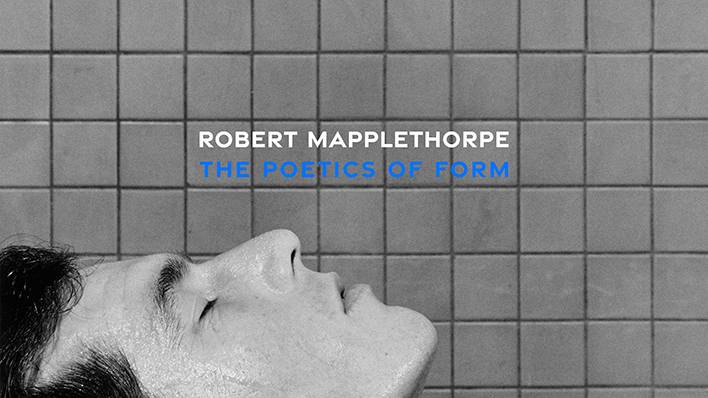
The Poetics of Form, a solo exhibition of Robert Mapplethorpe, on view in the
Hanok space from June 9 through July 19, 2026. Widely recognized as among the most significant American photographers of the late twentieth century, Mapplethorpe is known for pushing the boundaries of the photographic medium and challenging the limits of artistic expression. Through his iconic black-and-white prints, he challenged the norms of traditional genres—portraiture, still life, and the nude—by incorporating New York’s provocative subcultures such as homoeroticism and sadomasochism. Following his first solo exhibition
Robert Mapplethorpe: More Life at Kukje Gallery in 2021, which introduced a wide range of subjects from Mapplethorpe’s iconic oeuvre, including explorations of sexuality, celebrity portraits, and his studies of flowers, this exhibition, held five years later, shifts the focus away from subject matter or genre. Instead, it highlights the distinctive visual language that runs consistently throughout Mapplethorpe’s work. Organized in collaboration with the Robert Mapplethorpe Foundation, the exhibition also marks the first presentation in Korea of the artist’s new oversized silver gelatin series, which combines the artist’s experimental spirit with advances in photographic technology.
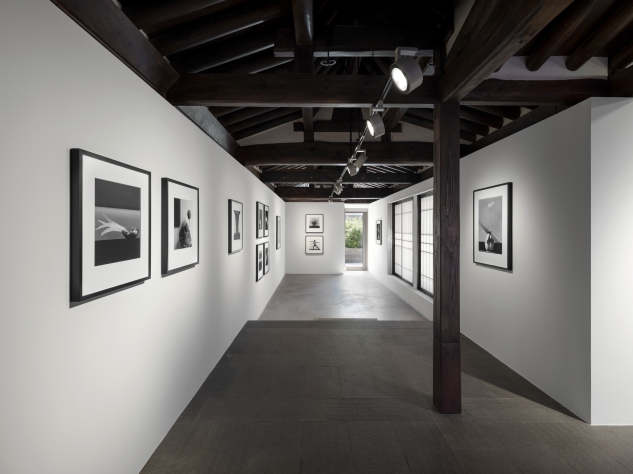
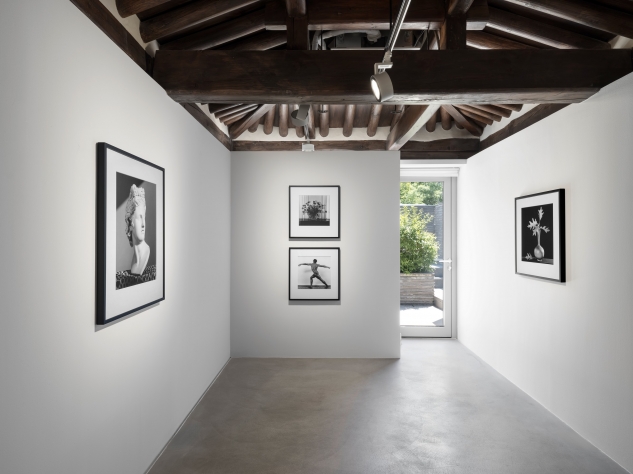
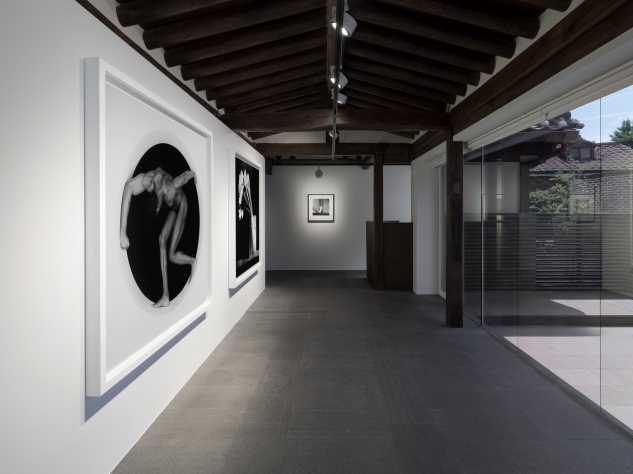
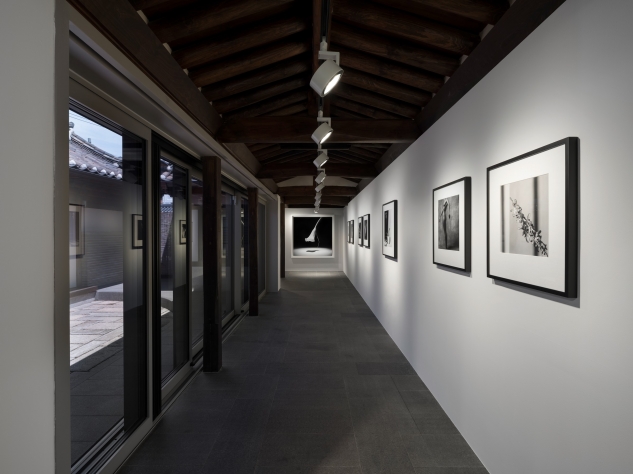
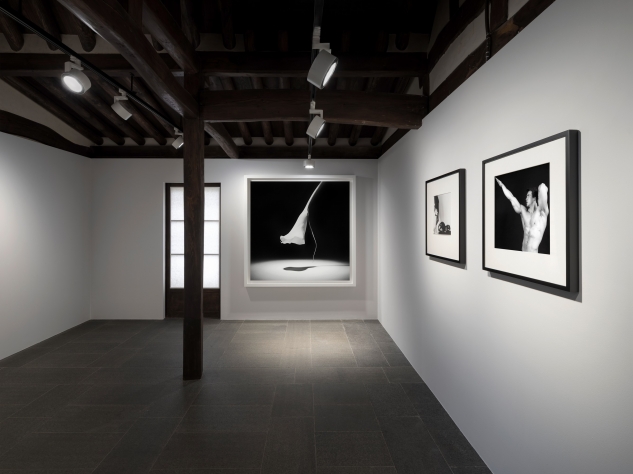
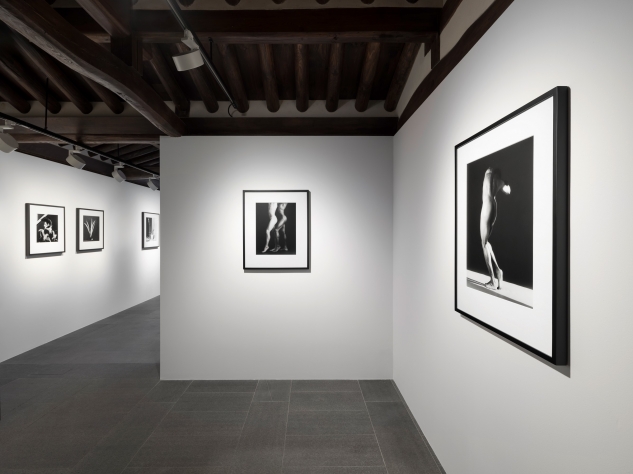
The Poetics of Form unfolds within the restrained spatial sensibility of the
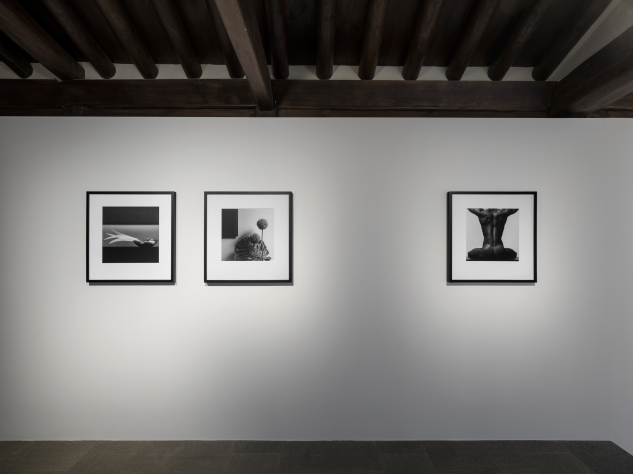
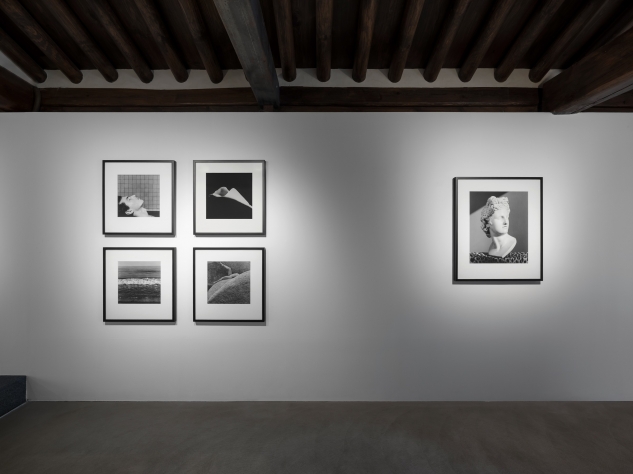
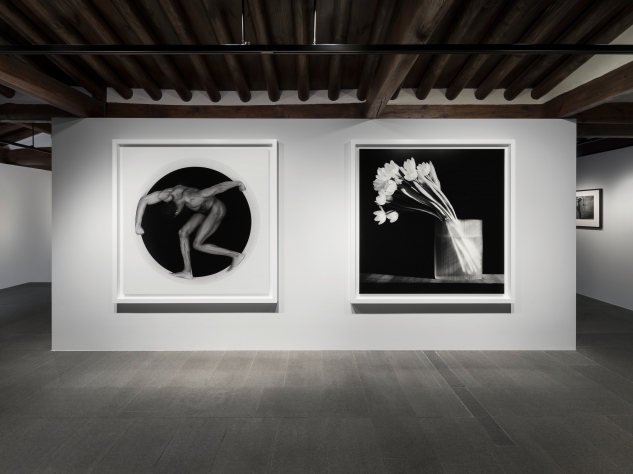
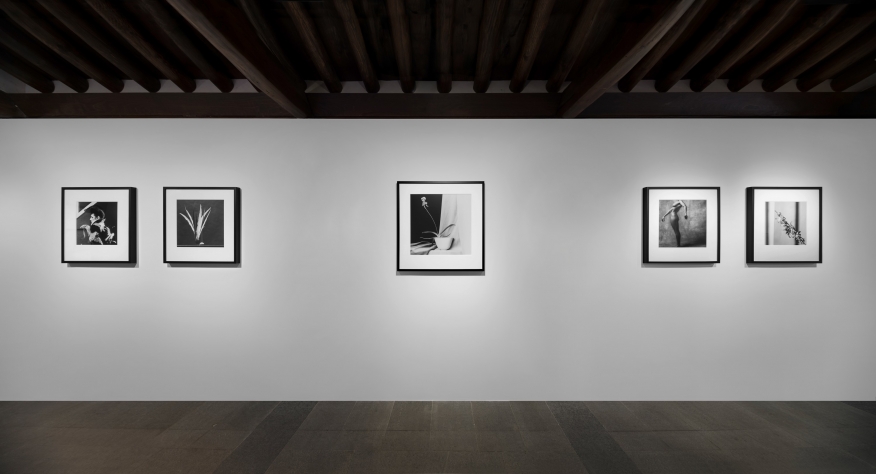
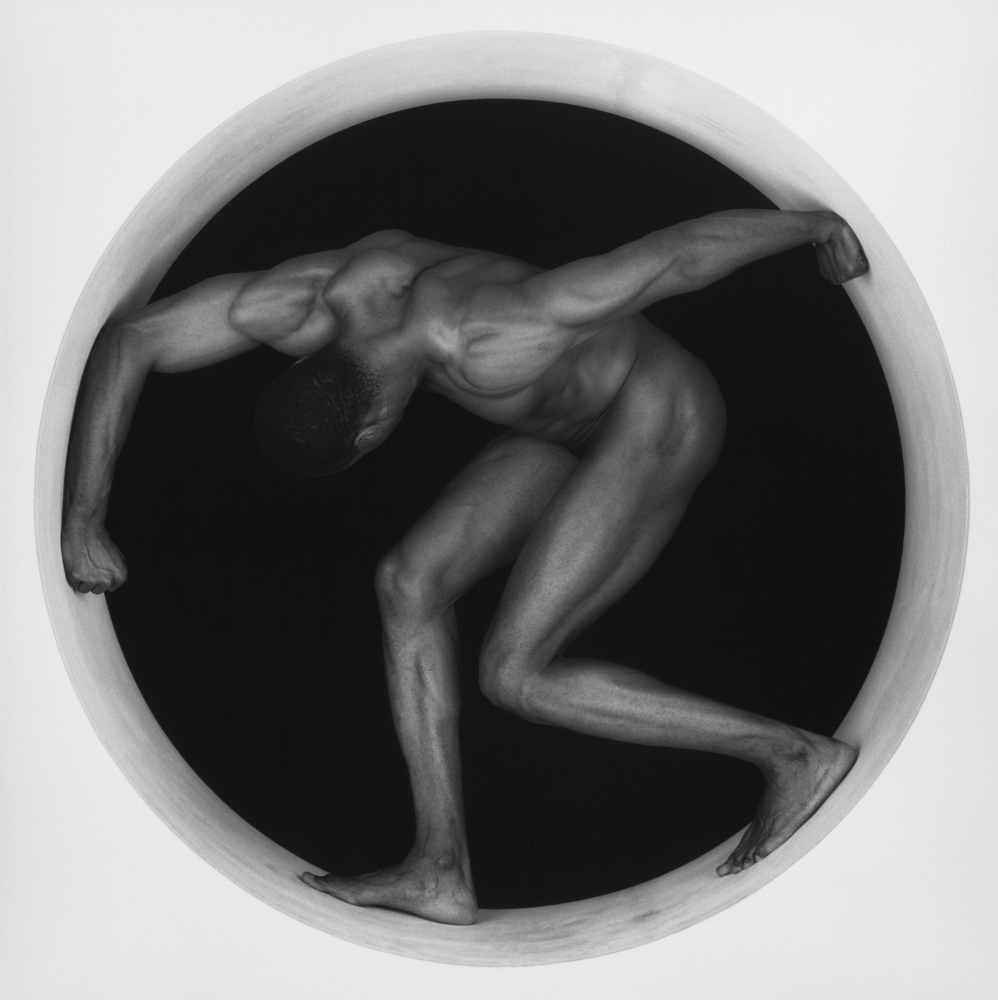
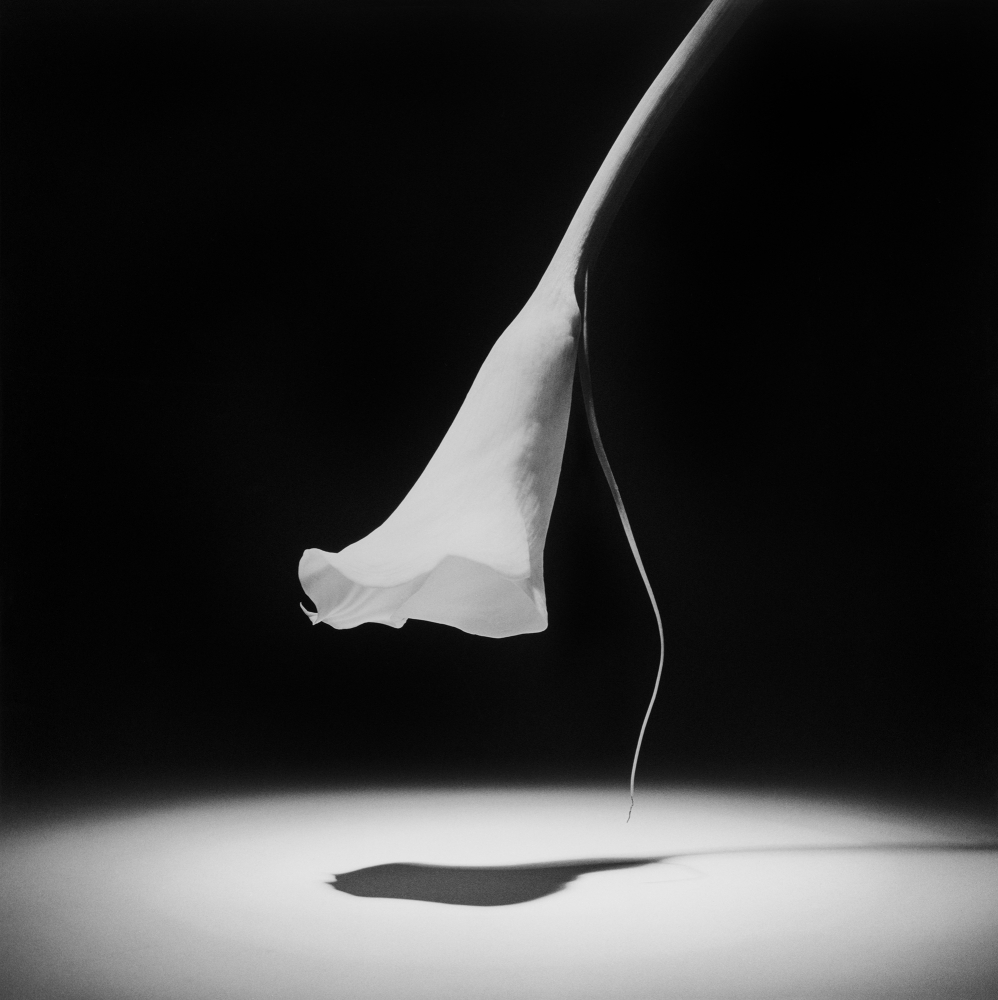
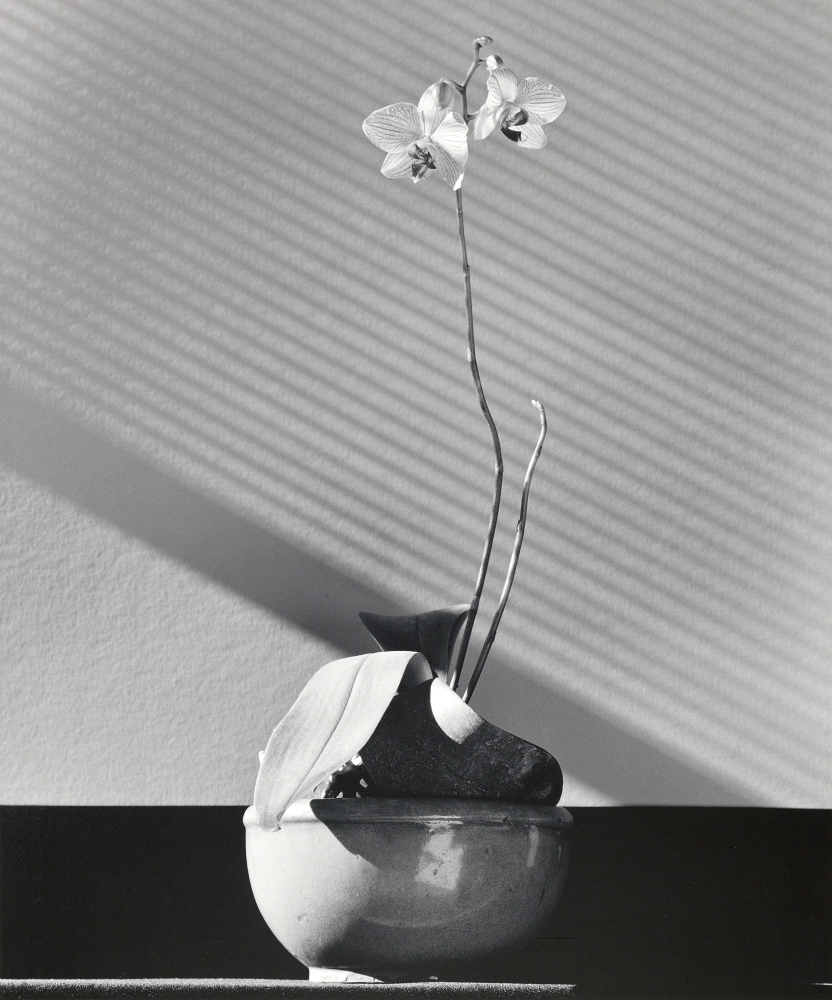
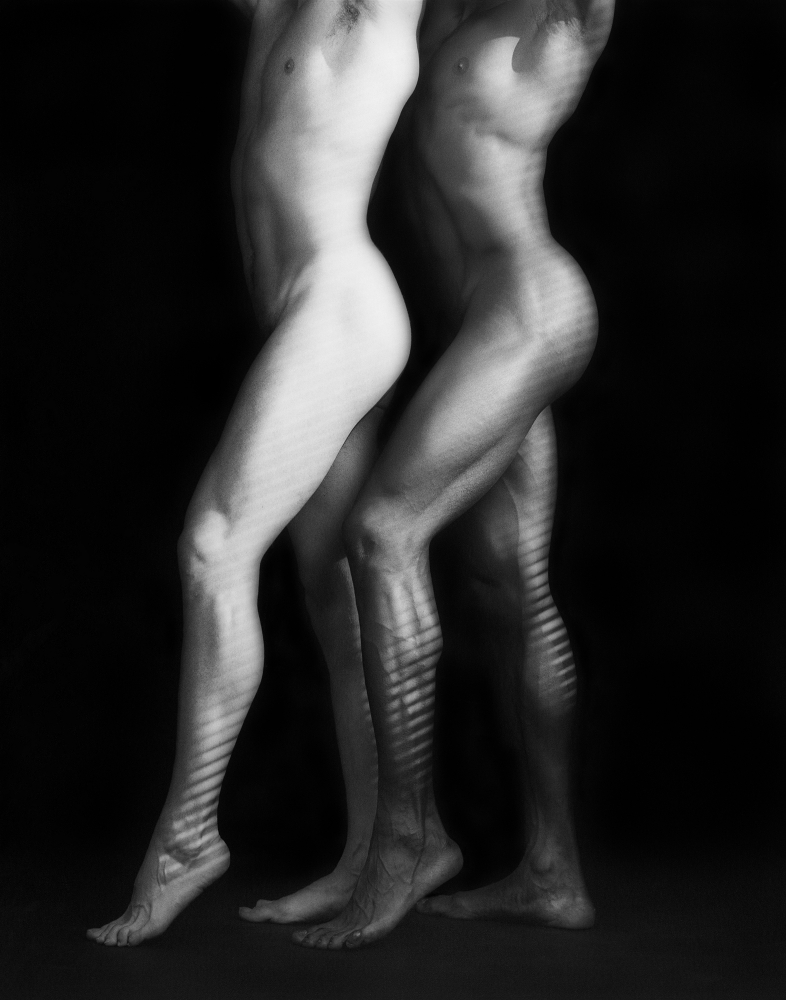
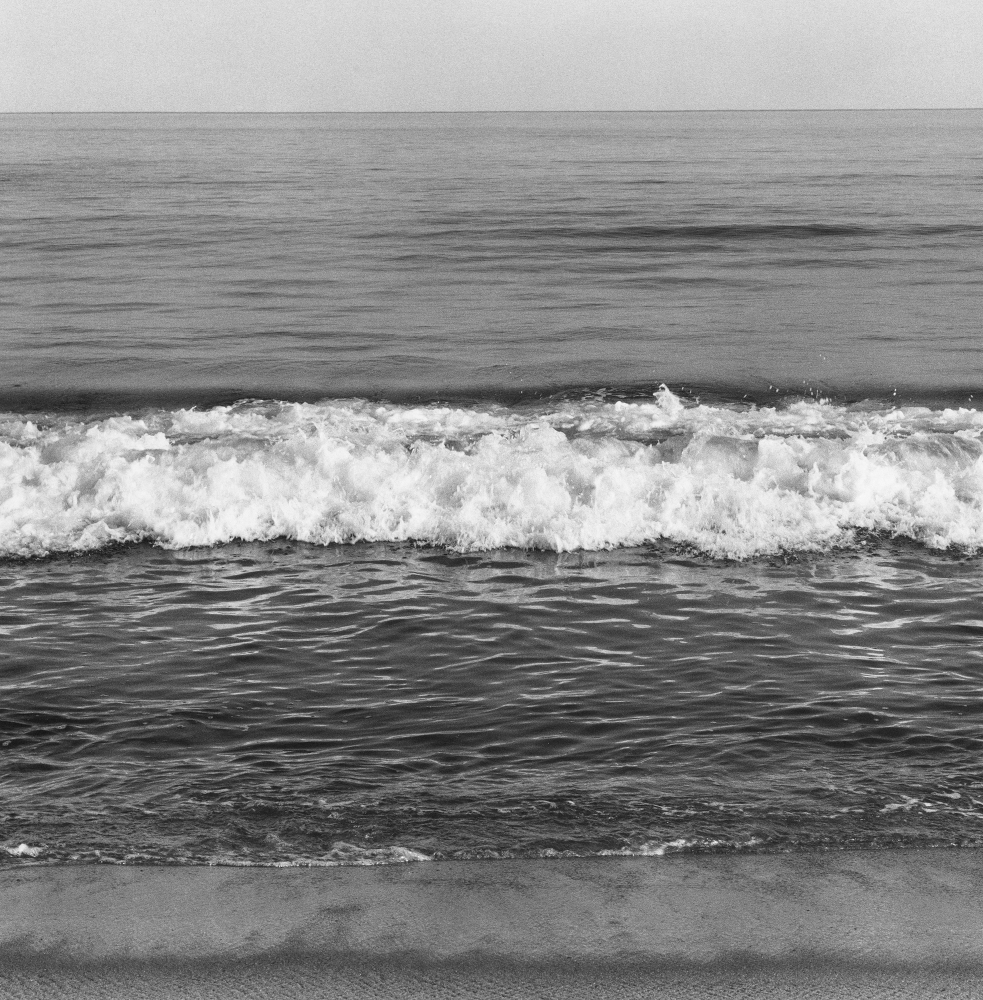
Hanok, where Mapplethorpe’s characteristic theatrical tension is set against a quiet, controlled interior. The exhibition brings together subjects central to his practice—ranging from portraits and male and female nudes to classical sculpture, flowers, and landscapes—placing particular emphasis on images that exemplify his refined formal sensibility. The exhibition is divided into two primary bodies of work: the artist’s signature silver gelatin prints produced from the mid-1970s through the 1980s using a Hasselblad 500 camera, and a group of oversized silver gelatin prints measuring approximately 54 x 54 inches (137.2 x 137.2 cm) that were produced posthumously. Produced under the strict supervision of the Robert Mapplethorpe Foundation, these large-format works reflect the artist’s long-held aspiration to expand the scale of his photographs.
"Photography is just, like the perfect way to make a sculpture."
[1] These words by Robert Mapplethorpe help to contextualize his vision and relationship to materials, reflecting his determination to elevate photography—once perceived merely as an extension of “found” images—to the status of fine art, alongside sculpture and painting. Eschewing an aesthetic of chance, Mapplethorpe pursued instead an "extreme aesthetic" defined by calculated lighting and formal composition. His celebrated photographs embody the classical formal beauty, proportions, and compositional principles found in Greco-Roman sculptures. By meticulously controlling light and shadow, he imbues his subjects—whether they are figurative studies, flora, or objects—with the formal grace and weight of classical statuary. Furthermore, the nuanced strong contrasts between black, grey, and white sharply define the forms, contributing to the perception of the photographs as three-dimensional.
The fact that Mapplethorpe studied painting, sculpture, and graphic design at Pratt Institute in Brooklyn during the 1960s and first became captivated by photography through making “objects” consisting of photo collages offers crucial insight into his visionary practice. For him, art was meant to transcend the limitations of any single medium, and his pursuit of creative innovation led him to fluidly traverse the realms of both photography and sculpture. This quest for "newness" extended beyond form to his subjects and themes. At a time when the male nude itself was taboo, he captured Black bodies and brought the theme of "death and sexuality"—then uncharted territories—to the forefront, blurring the lines between art and sexuality. Although these themes often placed him at the center of social controversy and battles over censorship, he approached his most provocative themes with the same degree of extreme formal elegance and rigor as found in his still lifes. It is through this aesthetic precision that the solid formal beauty of a vase finds echoes in his study of Black male nudes, while the sensuous forms of flowers captured through his lens appear as extensions of the human form. This ambivalence, defined by the tension between aestheticism and radicalism, constitutes the core characteristic of Robert Mapplethorpe’s work.
Mapplethorpe’s sustained exploration of formal aesthetics and composition of photographs extended to his experiments with medium and scale. For the artist, photography held a particular appeal in its capacity to explore a wide range of processes and materials, including collage, Polaroids, silver gelatin prints, dye-transfer color prints, silkscreen, and lithography. He also produced platinum prints on canvas, allowing the texture of the support to remain visible on the photographic surface. In 1985, Mapplethorpe further underscored this experimental approach by presenting works employing different printing techniques at an exhibition. Underlying these investigations was his conviction that photographs, like painting or sculpture, could possess a distinct sense of originality and rarity as autonomous works of art. As he remarked in a 1988 interview with Gary Indiana for
BOMB Magazine, “I forget that it’s photography. I don’t see it in the context of photography, because of the size and scale of what I’ve done.” For Mapplethorpe, questions of scale were thus central to reconfiguring the perception of photography as a medium.
During his lifetime, Mapplethorpe produced over 120 oversized editioned silver gelatin prints, ranging in dimensions of 30 x 30 inches (76.2 x 76.2 cm) up to 40 x 50 inches (101.6 x 127 cm). In recent years, the Robert Mapplethorpe Foundation has sought to expand this aspect of the artist’s practice as a result of advances in technology; strictly observing the wishes of the artist, they have introduced a new
Modern Oversized series produced at the currently attainable size with silver gelatin paper. This exhibition marks the first time audiences encounter these particular works in this size made possible through a collaboration between the Foundation and Kukje Gallery.
Through his meticulous ordering of form amid a period of cultural flux, and his persistent experimentation with photographic media, Mapplethorpe forged a singular visual language that continues to shape contemporary understanding of photographic aesthetics. Set within the
Hanok space where the conventions of the white cube are suspended, the exhibition offers an opportunity to encounter Mapplethorpe’s artistic vision and formal rigor in a new context.
About the Artist
Robert Mapplethorpe was born in 1946 in Floral Park, Queens, New York, and later enrolled at Pratt Institute, Brooklyn, in 1963 in pursuit of painting, sculpture, and graphic design but eventually dropped out six years later. Since his first encounter with a Polaroid camera in 1970, he actively began to produce his own photographs, leading up to his first solo exhibition at the Light Gallery in New York in 1973. The subjects explored in his photographs in this exhibition continued to recur throughout his career. Close friends, lovers, and acquaintances, varying from artists to socialites, often became the source of his early works. Beginning in the late 1970s, his work increasingly engaged with BDSM and queer subcultures. At the same time, Mapplethorpe continued to explore more conventional subjects, including flowers, animals, children, landscapes, and classical sculpture.
Robert Mapplethorpe died at the age of 44 in 1989, and he is considered one of the most influential artists of the twentieth century, having played a pivotal role in expanding the horizons of modern photography. Numerous solo exhibitions have been held in prestigious institutions, including Solomon R. Guggenheim Museum, New York (2019, 2005, 1993); Fundação de Serralves, Porto (2018); J. Paul Getty Museum, Los Angeles (2016, 2012); Los Angeles County Museum of Art, Los Angeles (2016, 2012); Grand Palais, Paris (2014, 1988); Tate Modern, London (2014); Whitney Museum, New York (2008, 1988); and Institute of Contemporary Art, University of Pennsylvania, Philadelphia (1988). His works are held in prominent permanent collections worldwide, such as J. Paul Getty Museum, Los Angeles; Kunsthalle Basel, Basel; The Museum of Modern Art, New York; Museum of Contemporary Art Chicago, Chicago; Solomon R. Guggenheim Museum, New York; and Yokohama Museum of Art, Yokohama.
[1] Anne Horton, “Robert Mapplethorpe: Interview January 11, 1987,” in
Robert Mapplethorpe 1986 (Berlin: Raab Galerie, 1987), 12.