If you remain static amidst a changing world, you will inevitably fall into mannerism. That is why we must relentlessly seek transformation. Yet, changing in the wrong way also leads to a downfall. A change that you have not fully internalized will only erode you from within. I intend to engrave these words upon my tombstone. I wish to be remembered as an artist who continuously transformed, yet never fell.
— Park Seo-Bo[1]
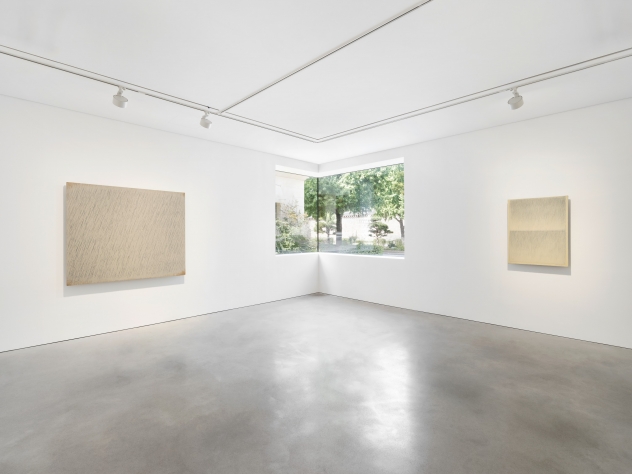
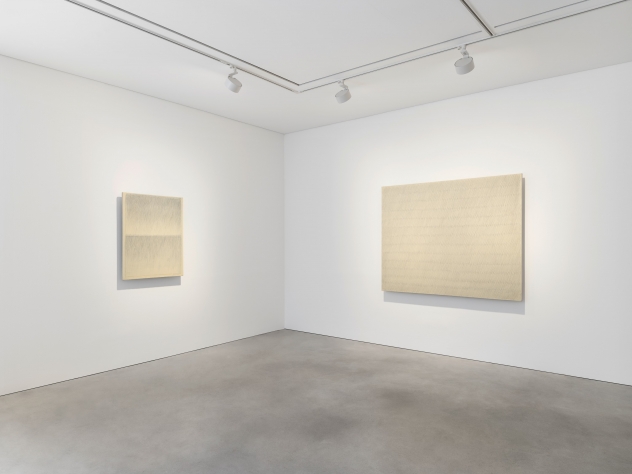
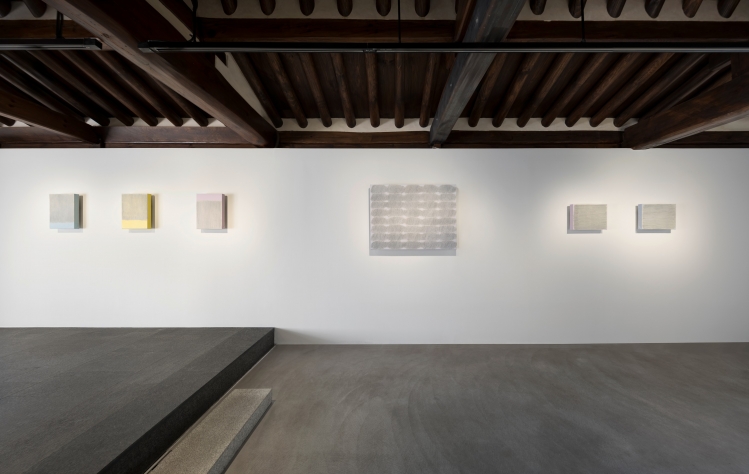
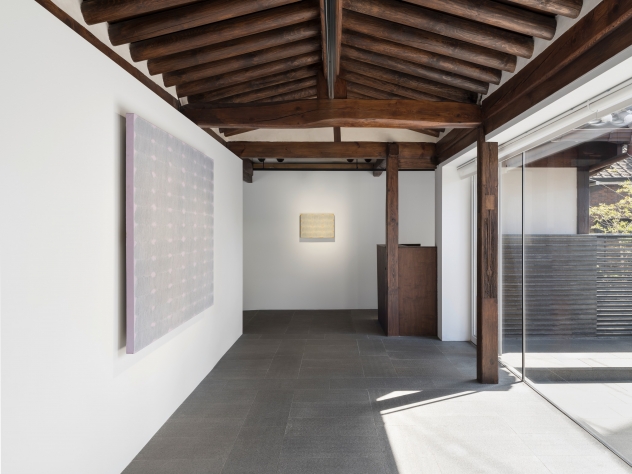
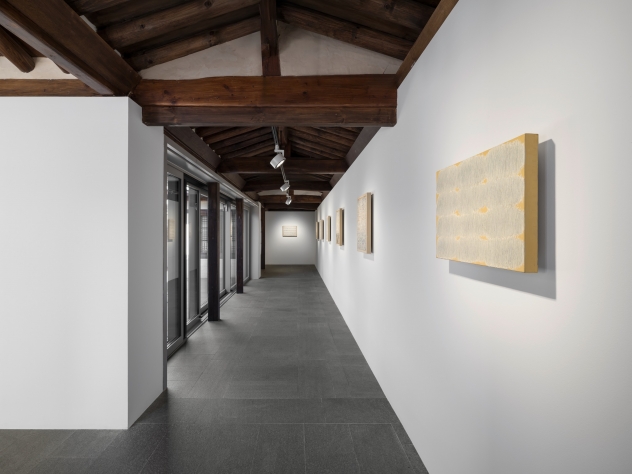
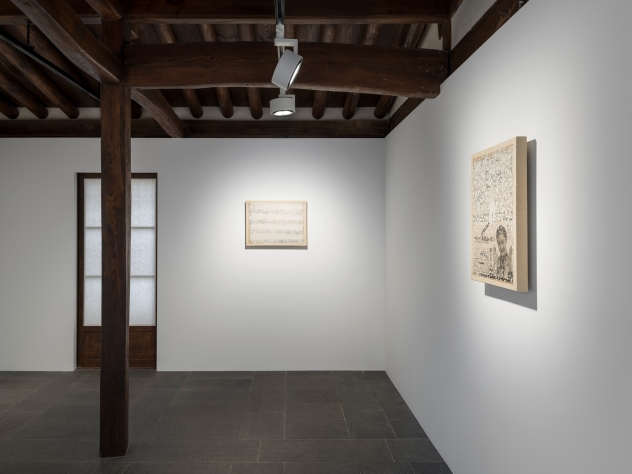
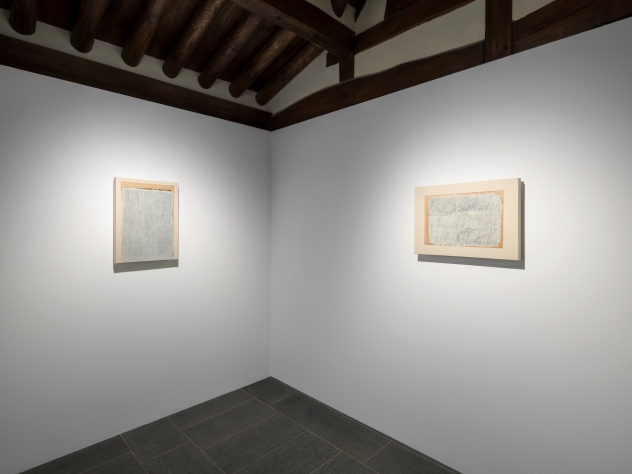
Kukje Gallery is pleased to present Changing Unchanging, a major retrospective of Park Seo-Bo, from August 24 through October 18, 2026. Commemorating the third anniversary of the artist’s passing, this exhibition presents 40 works spanning the K1, K3, and Hanok spaces, taking the artist's own words as its point of departure: “Those who don’t change will perish, but so will those who do.” Park unveiled new creations only when a profound sense of touch and certainty had been deeply engraved in his body through years of discipline. This was not only the central tenet of Park’s oeuvre, but also an aesthetic ethic that permeated his entire life.
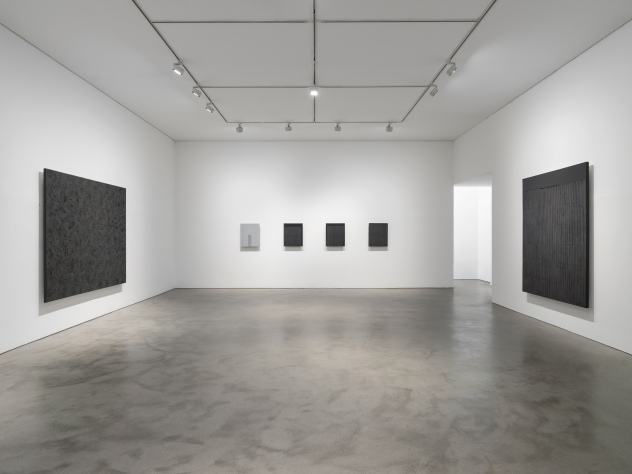
Tracing the trajectory of Park’s artistic transformation over five decades, the exhibition charts his evolution across three venues. K1 presents his early Ecriture works, ranging from “Pencil Ecriture,” begun in 1967, to the later “Zigzag Ecriture” and “Black and White Ecriture” series, both created using hanji (traditional Korean paper made from the inner bark of the paper mulberry tree). In K3, the focus shifts to the artist’s use of color through the “Color Ecriture” series from the 2000s onward; and Hanok concludes with a return to the artist’s “Pencil Color Ecriture” from 2019, shown alongside his final “Newspaper Ecriture” series. The exhibition illuminates his evolution not merely as a chronological archive of stylistic variations, but as a philosophy of change forged through an intricate intersection of thought, the body, material, environment, and the shifting phases of the artist's life. In doing so, it reflects on what transformation meant to Park Seo-Bo, and how the impulse to change, together with his distinctive aesthetic, became the driving force in his continual reconsideration of the essence of art.
Recognized as a pioneering figure in Korean Modernism, Park Seo-Bo consistently interrogated the intrinsic function of painting, seeking new artistic methodologies that responded to shifting historical milieus both in Korea and abroad. In particular, Park’s painterly explorations during his early career reveal his close engagement with the rapidly changing circumstances of the time. In the late 1950s, immediately following the Korean War, he experimented with Informel, a movement that emerged in the West, at a time when resistance to the established order intersected with a yearning for a new expressive language. This was followed by his Primordialis series from the 1960s, which formalized a turbulent inner consciousness against a dark tonal backdrop, and culminated in the late-1960s Hereditarius series, which turned to a rigorous geometry of primary colors as Korean society regained vitality through rapid postwar reconstruction. Moving through this trajectory, the artist arrived at a pivotal turning point in 1967. While his previous series drew their subject matter and motifs from the surrounding traditions or socio-cultural environment of the period, the Ecriture series, initiated during this phase, focused on the foundation of painting by probing the question of “how to paint” rather than “what to paint.”
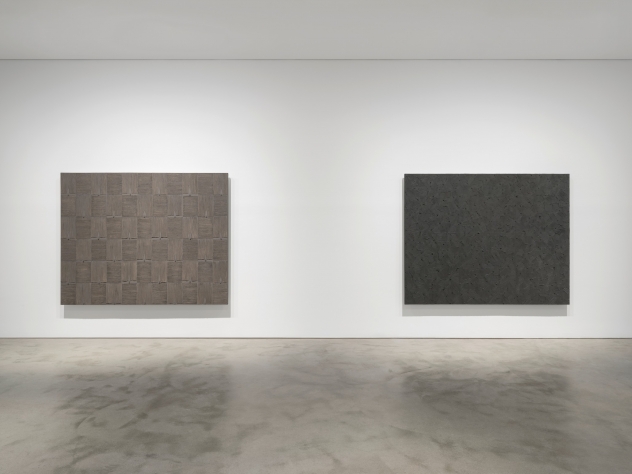
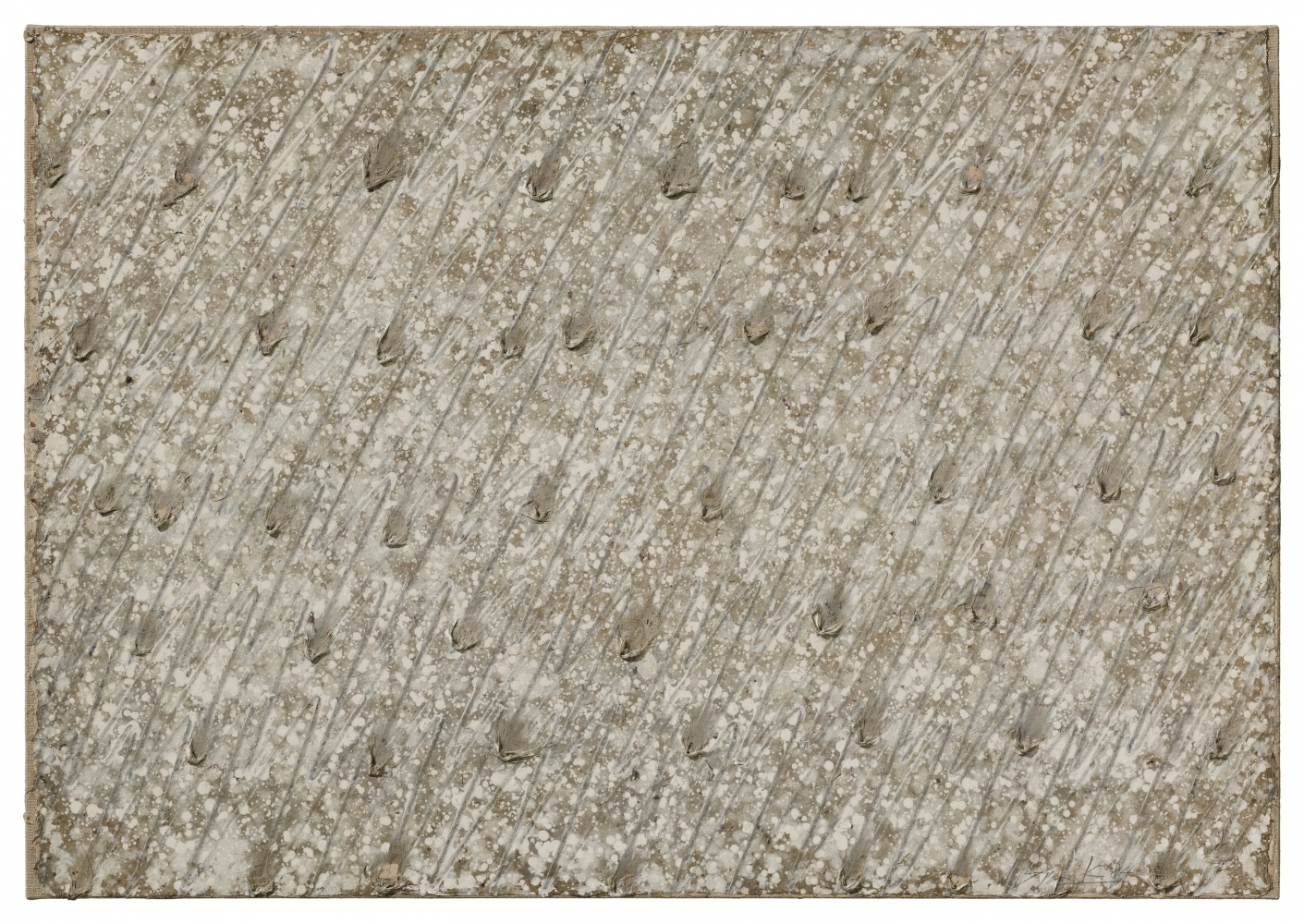
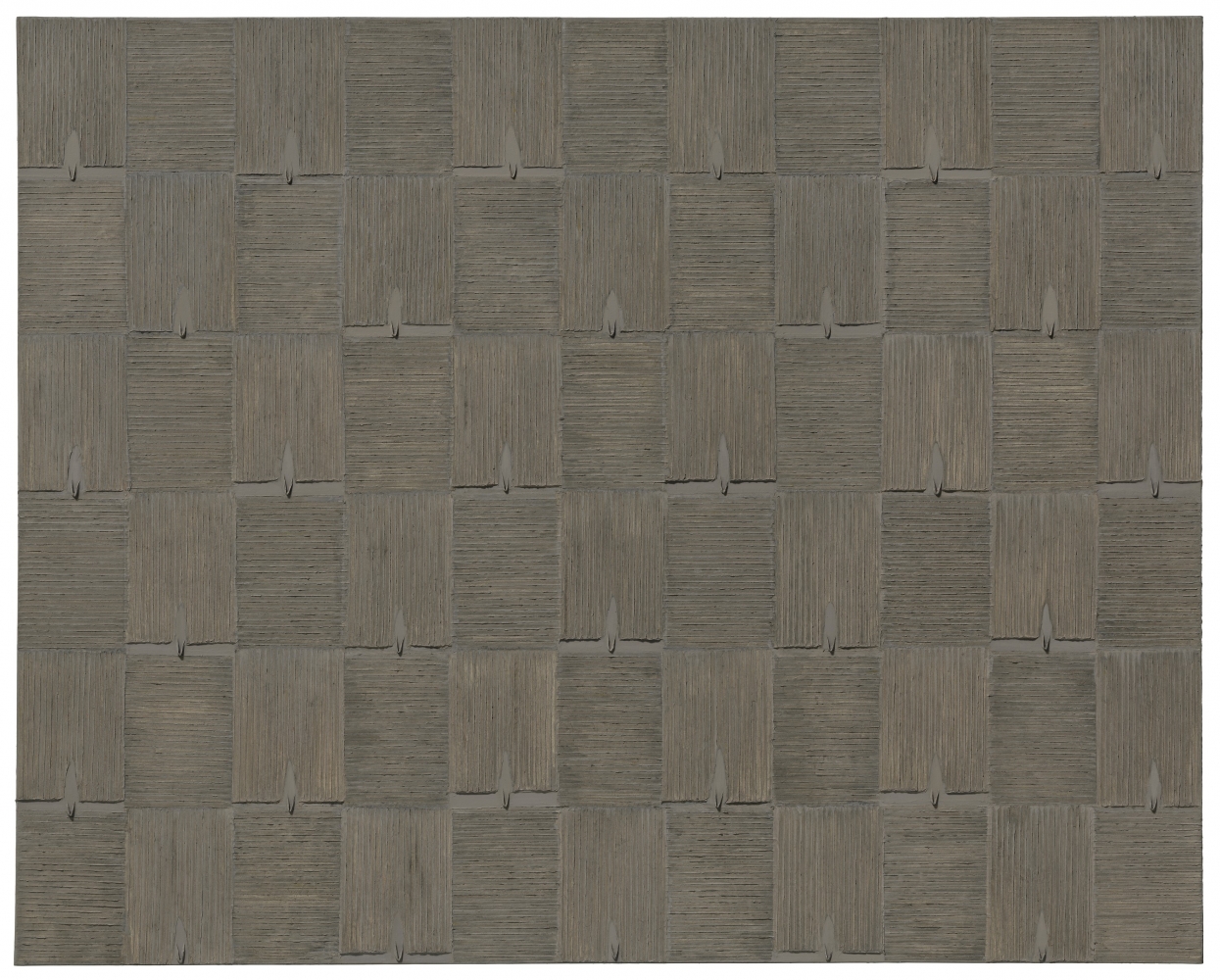
Showcased in the front gallery of K1, Park’s early Ecriture series (1967–1986) features works that served as instruments of his newly developed discipline of “self-emptying.” Écriture (描法, myobop) literally translates to “a method of drawing as if writing.” While deeply contemplating the method of painting, Park Seo-Bo found inspiration one day in his younger son’s attempt to write characters within the grids of a school notebook. Frustrated when the writing kept straying outside the boundaries, the child repeatedly crossed them out with slashes in the act of giving up writing. Recognizing in this gesture an attitude of resignation, the artist embarked on a performative methodology of drawing rooted in repetitive action. Among the early Ecriture body of works, notably, the “Pencil Ecriture” series began with the repetitive act of drawing lines in pencil over a canvas coated in white pigment. By executing these markings while the paint was still wet, the displaced pigment accumulated where the lines bent, ultimately leaving the artist's physical breath and rhythmic cadence structured upon the surface.
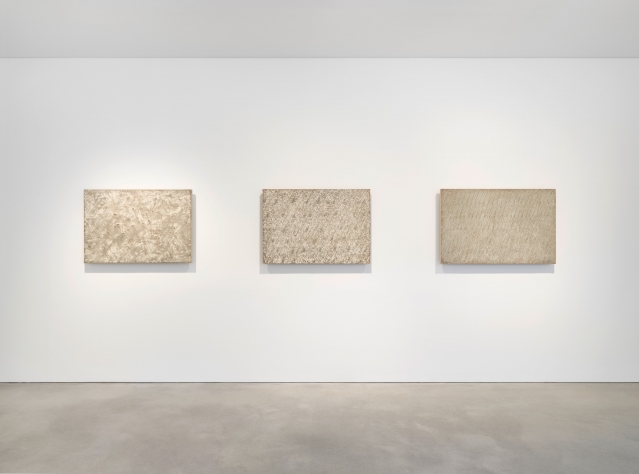
Park began utilizing hanji as a primary material in 1982. Unlike traditional Western paper, hanji absorbs pigment, allowing it to become fully integrated with the bodily gestures enacted on its surface. The front gallery of K1 features three rarely exhibited works that illustrate Park’s experiments with hanji and his subsequent transition toward the next series. These pieces demonstrate a departure from the unconstrained draftsmanship of Pencil Ecriture; instead, they reveal an exploration of the medium's distinct materiality, where the water-soaked hanji resists and clumps under the movement of pencils and other implements. This tension between the act of drawing and the sculptural material properties of the paper is particularly evident in Ecriture No. 41-84 (1984). As witnessed in this work, Park’s embrace of hanji allowed him to adopt a performative methodology of painting that closely resonated with his own bodily movement.
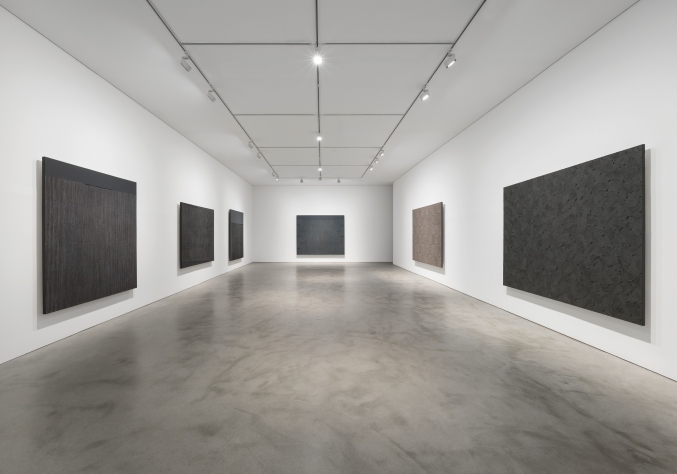
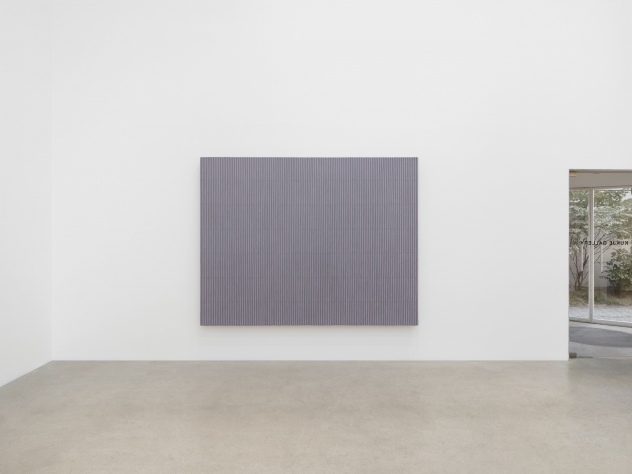
As a result of Park’s investigation into the material properties of hanji, he began a search for alternative compositional strategies and, from the mid-1980s onward, developed an all-over format. In these new works, the artist began to focus on short, fragmented, comb-like patterns that blanketed the surface in place of pencil marks. Showcased in the rear gallery of K1, this body of work—commonly known as “Zigzag Ecriture” (1982–1997)—features wet hanji fibers that push and clump against the movements of the artist’s tools, forming furrows, ridges, and nodes on the surface. Furthermore, the artist departed from the monochromatic palette by incorporating water-based mediums—such as extracts from mugwort and tobacco, as well as ink—which saturated the hanji, exposing its raw qualities. By replacing the oil-based pigments used in the Pencil Ecriture series, Park further emphasized the properties of the medium itself. In Zigzag Ecriture, the surfaces transcend the conventional flat plane of the picture, transforming into relief-like spaces where medium and gesture coalesce. This resonant hybrid approach allowed the artist to utilize hanji as an active agent that asserted its own materiality and formal language, a highly successful solution to his search for a new compositional methodology.
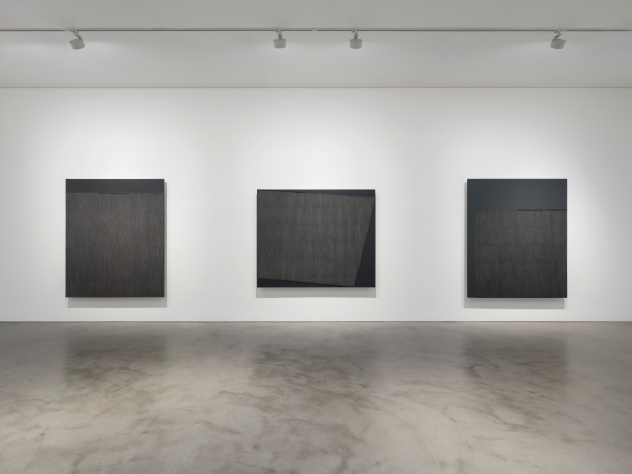
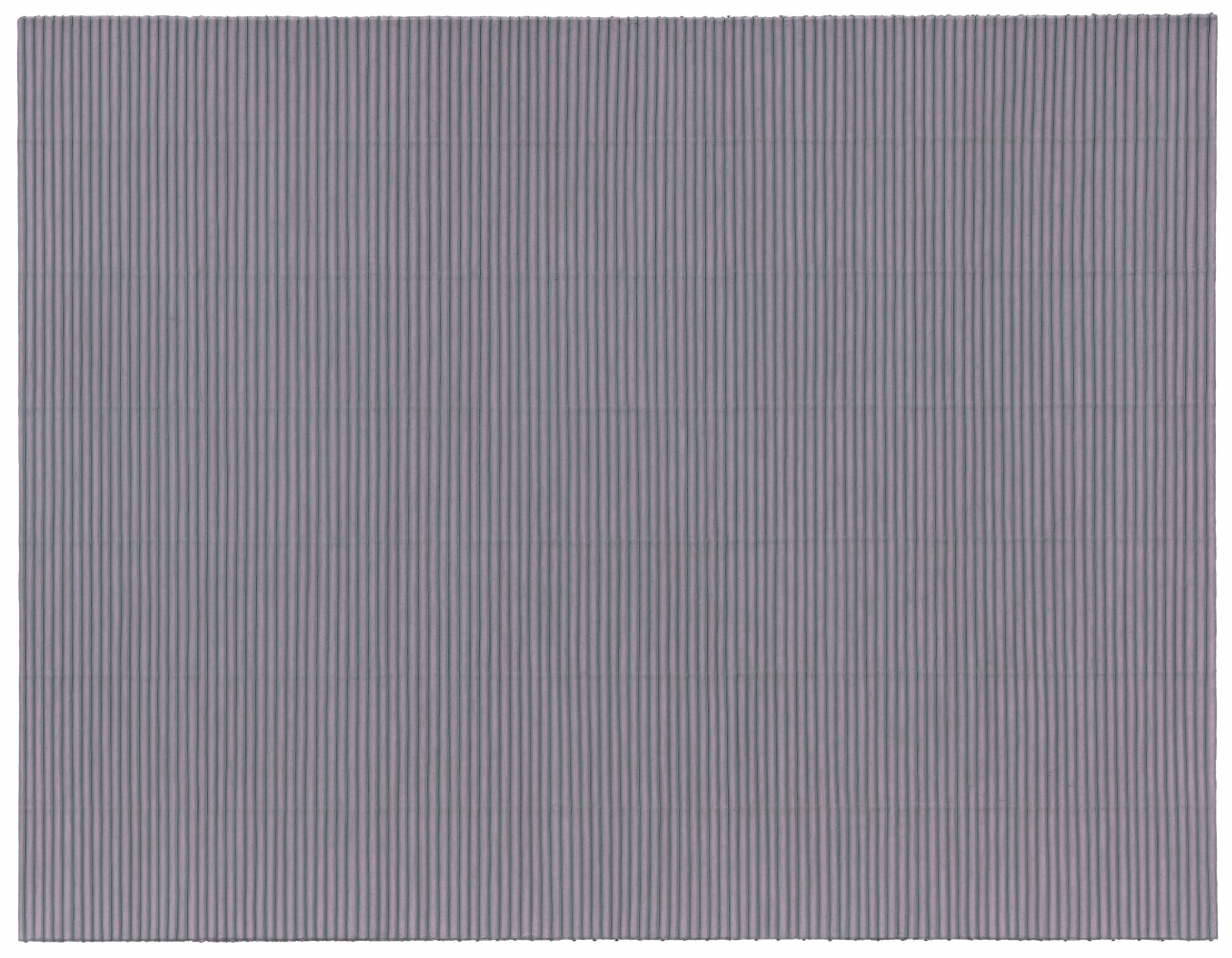
Displayed in the same room alongside these works is the “Black and White Ecriture” series (1995–2004). Around 1990, Park Seo-Bo’s compositions shifted away from the zigzag patterns toward a more simplified structure of parallel lines. As Park repeatedly pressed a thick graphite pencil into wet hanji to draw vertical lines, the displaced paper formed raised ridges, creating a pronounced relief across the surface. The artist drafted preliminary drawings known as esquisses, which functioned much like an architect’s blueprint, using them to plan and construct the compositions. Most works from this period were rendered in a monochromatic palette. For Park, the use of black was derived from his childhood memories of the soot lining the kitchen hearth where his mother kindled fires. Evoking an abyss, the dense, mottled application of stained hanji creates complex, layered tones that convey the spiritual depth cherished by the artist. Black remained a favorite color throughout Park’s lifetime.
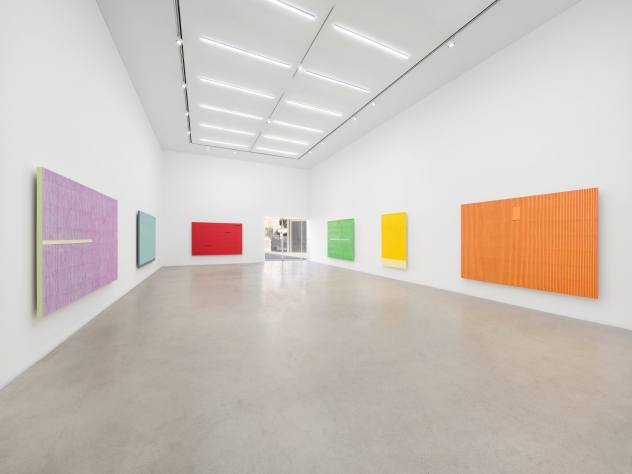
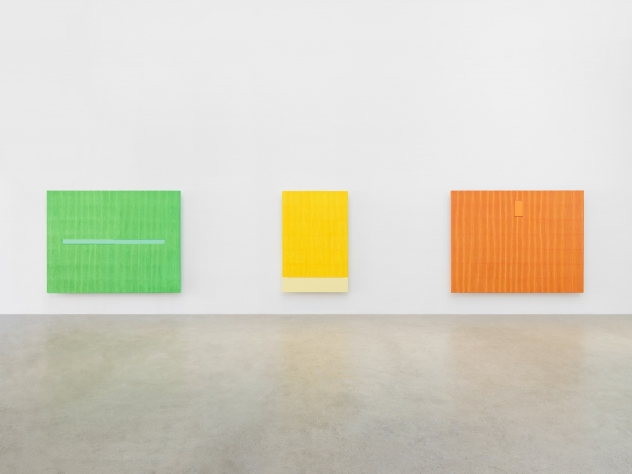
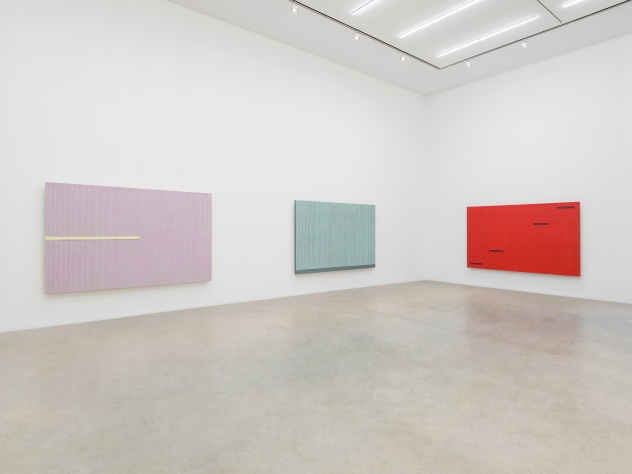
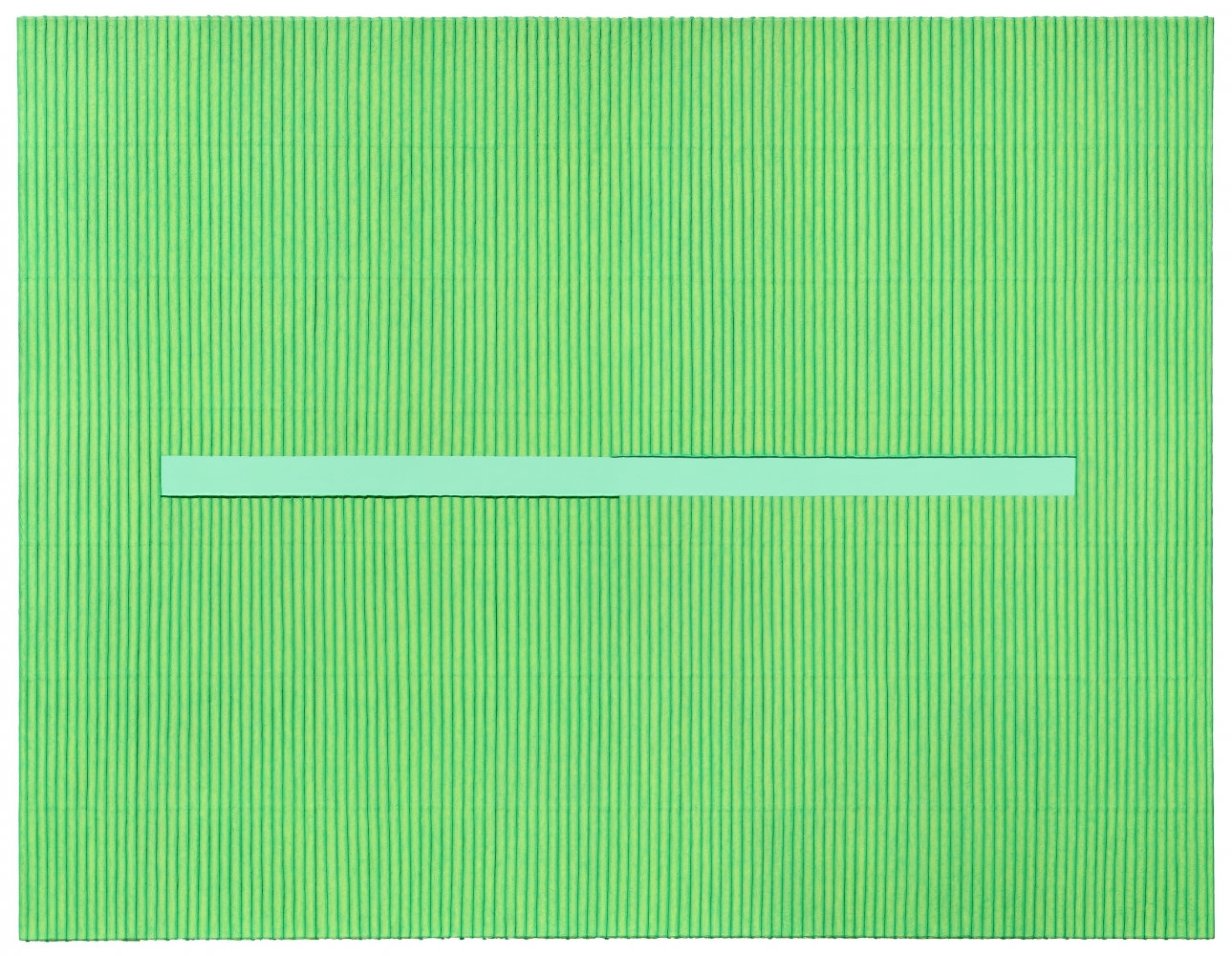
This sensitivity to color can also be seen in the Ecriture series installed in the K3 gallery. Known as the “Color Ecriture” series (2001–2018), these works seek to transpose the hues of nature onto the pictorial plane. While structurally grounded in the linear composition of Black and White Ecriture, with its evenly spaced furrows, these works apply contrasting or harmonious colors to the base and the raised ridges respectively, rendering them perceptually dynamic depending on the viewer’s physical position and vantage point. Through this mechanism, the artist sought to express an absolute, comprehensive color that encompasses the subtle nuances of nature, rather than a singular hue—a concept exemplified by his hearth-fire black. Observing that painting no longer functions as a vehicle for self-expression in a digital civilization flooded by indiscriminate images, Park redefined the role of the medium in relation to contemporary society. In doing so, he focused on static serenity and a rhythmic vitality native to his concisely laid out canvases. He also introduced a natural palette he termed “healing colors” to construct a visual field that alleviates the viewer’s fatigue. This was the ultimate resolution of his rigorous inquiry that transcended the question “how to paint” to confront what became his lifelong pursuit of “why he must paint.”
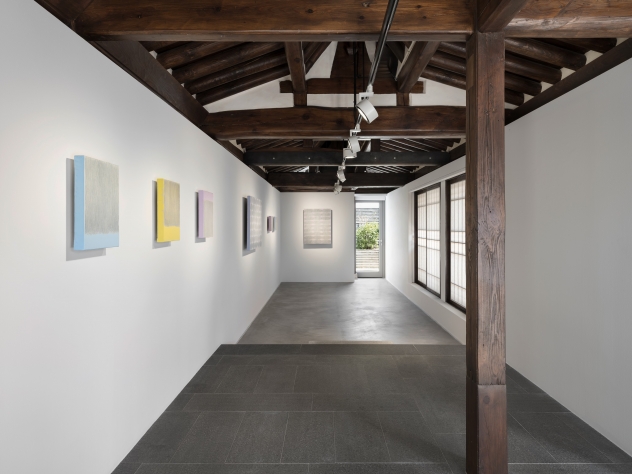
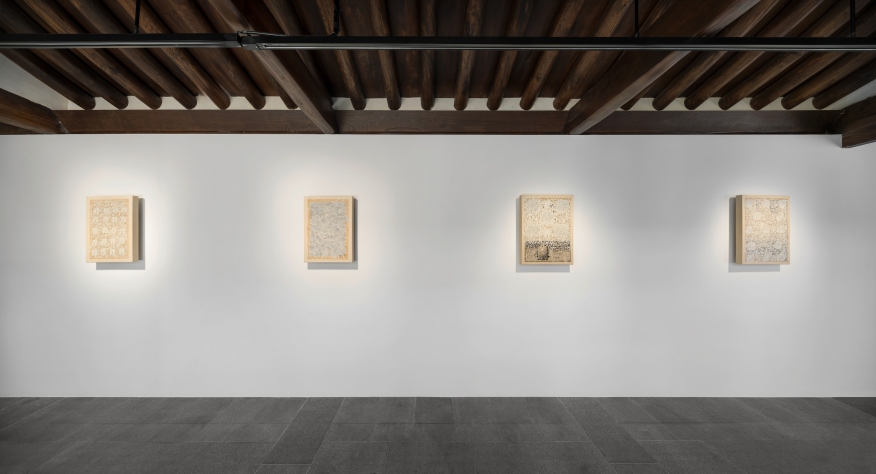
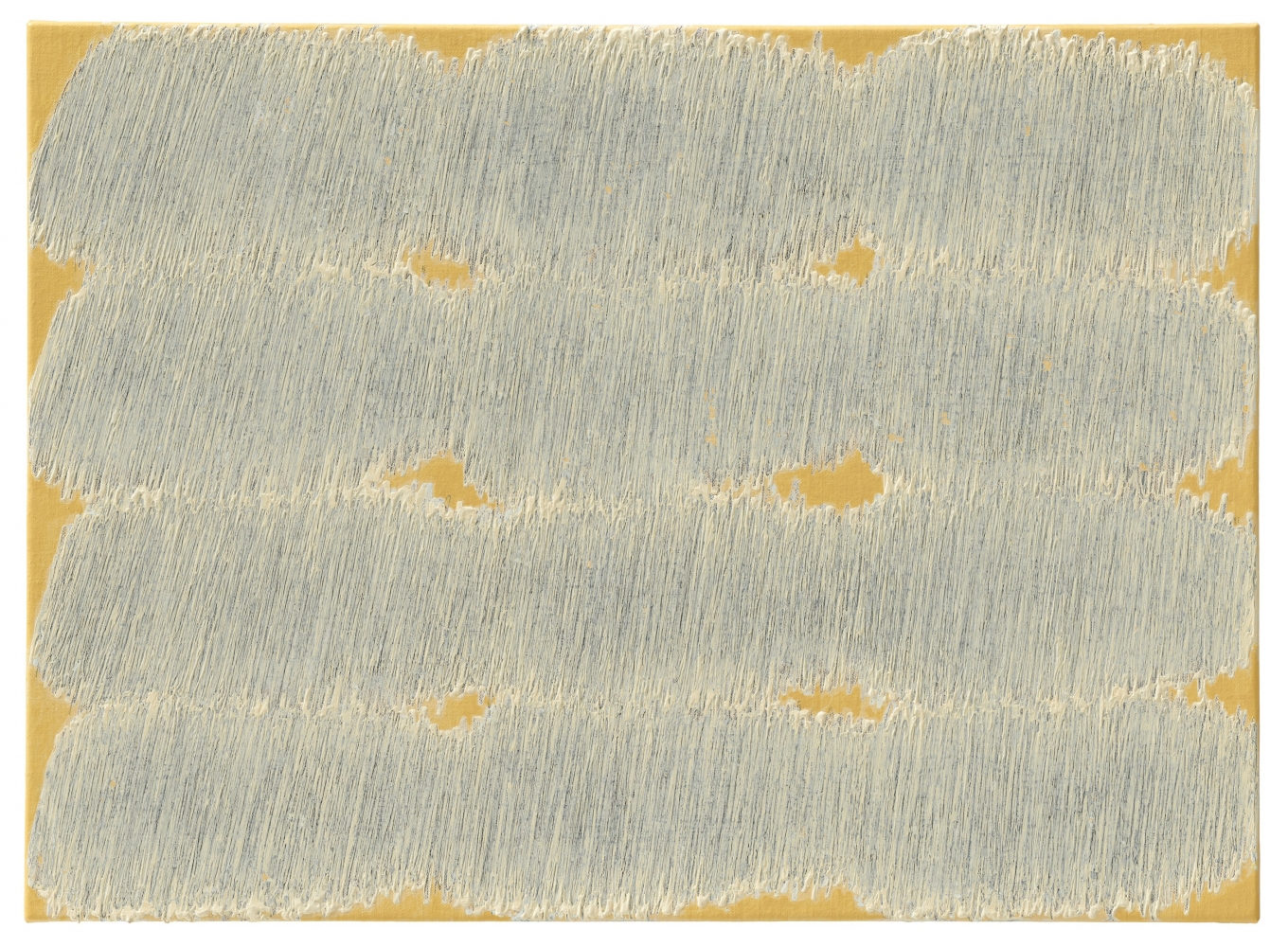
Park persisted in pushing his practice with new and innovative works even at the twilight of his career. Exhibited in the Hanok space are the “Pencil Color Ecriture” series (2019–2021), marking a return to the earlier Pencil Ecriture method paused after 1986, and the “Newspaper Ecriture” series (2022–2023), which re-examined the impromptu “newspaper drawings” originally executed as temporary sketches during his seminal stay in Paris in 1977. The Pencil Color Ecriture works maintain the performative nature and repetitive principles of his pre-1986 practice, while actively integrating a much richer color palette. While his earlier monochrome works concentrated on linear repetition, materiality, and the spiritual connotations of white, these later pieces evoke the vital energy of nature and life, showcasing the master’s hand responding with heightened sensitivity to the medium. The Pencil Color Ecriture series, in particular, demonstrates that the artist scaled his work to correspond precisely with his more limited physical range as he aged; indeed, Park once described each block of Ecriture—or movement—as a specific unit of his own “breath.”
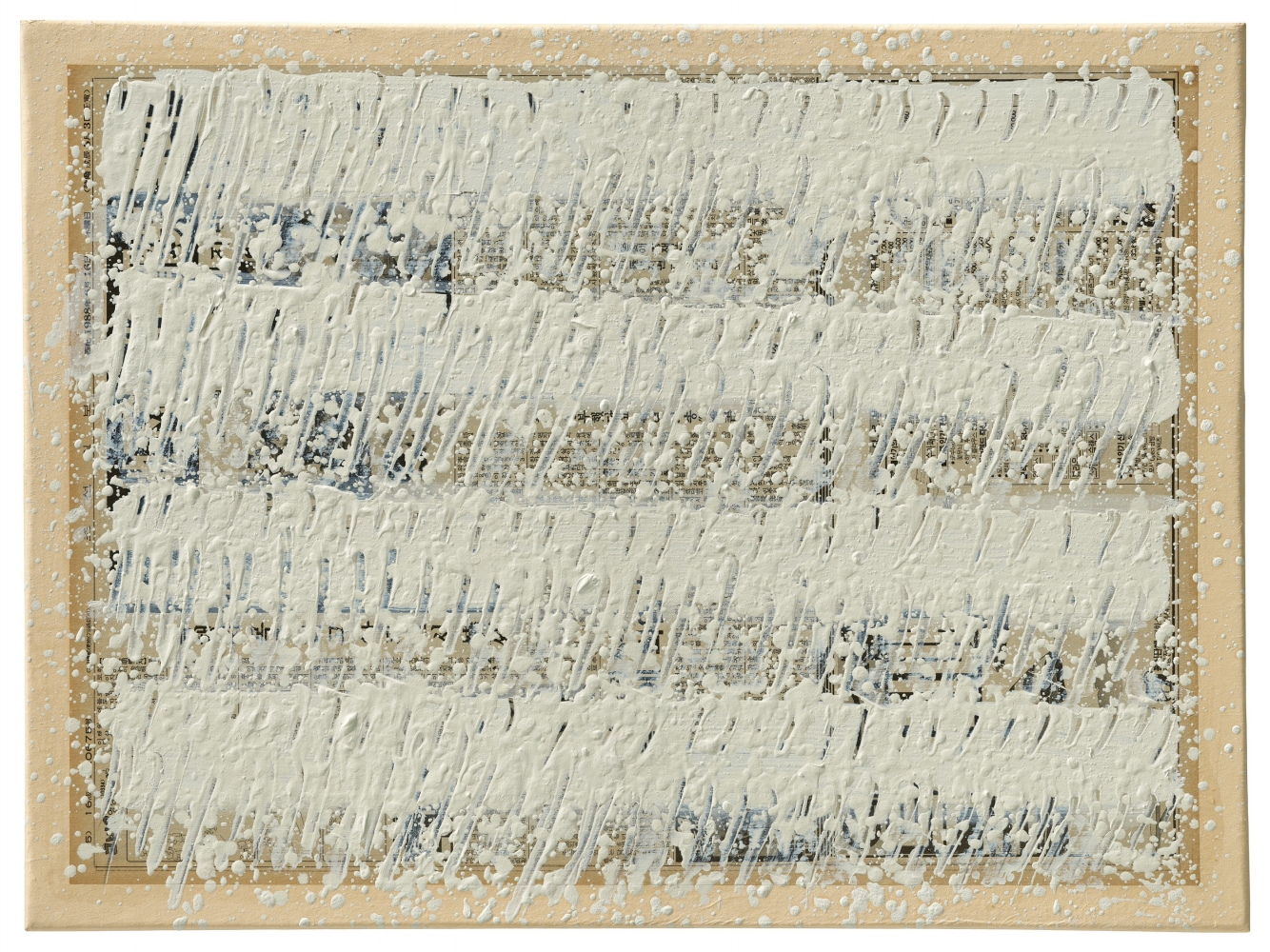
Lastly, the Newspaper Ecriture series, to which Park Seo-Bo dedicated himself until his passing, utilized old newspapers as a substrate, over which he applied or splattered oil paint before scoring the surface with a pencil. In 1977, while staying at a hotel in Paris, he became fascinated by the visual form created when he wiped excess paint from his brush onto a copy of the French newspaper Le Monde, which allowed the printed typography to subtly peer through the brushstrokes. This led him to acquire old newspapers documenting the trials and tribulations of wounded individuals, drawing over them as if to cover and erase their contents. By leaving deeply personal, diary-like traces on the newspapers—a quintessential symbol of civilization—he transfigured these ephemeral documents into a comprehensive, timeless record.
About the Artist
Park Seo-Bo (1931–2023) established himself as the “father of Korean contemporary art,” dedicating his lifetime to a process of self-emptying achieved through non-purposefulness and infinite repetition. In recognition of these achievements, he was awarded the Geumgwan (Gold Crown) Order of Cultural Merit in 2021, the Asia Arts Game Changer Award by the Asia Society in 2018, and the Eungwan (Silver Crown) Order of Cultural Merit in 2011. He held solo exhibitions at leading international institutions, including Château La Coste, Le Puy-Sainte-Réparade (2021); the National Museum of Modern and Contemporary Art, Seoul (2019); Langen Foundation, Neuss (2019); and the Musée d'Art Moderne et Contemporain de Saint-Étienne Métropole (2006). He has also participated in numerous international exhibitions, such as Dansaekhwa (2015), an official collateral event of the 56th Venice Biennale; the 43rd Venice Biennale (1988); the 13th São Paulo Biennial (1975); the 8th São Paulo Biennial (1965); and the 3rd Paris Biennale (1963). His works are held in the permanent collections of major public institutions, including the Museum of Modern Art, New York; the Solomon R. Guggenheim Museum, New York; the Hirshhorn Museum and Sculpture Garden, Washington, D.C.; the Art Institute of Chicago; the Cleveland Museum of Art; the Toledo Museum of Art; the Centre Pompidou, Paris; Tate Modern, London; Kunstsammlung Nordrhein-Westfalen K20, Düsseldorf; the National Museum of Modern and Contemporary Art, Korea; the Museum of Contemporary Art Tokyo; and M+, Hong Kong.
[1] People Today, March 2021.