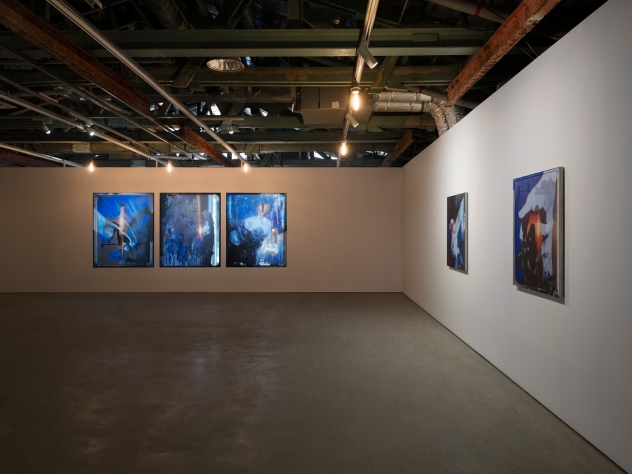
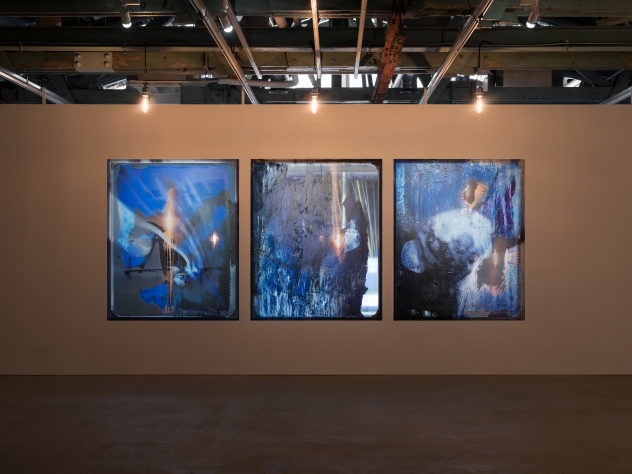
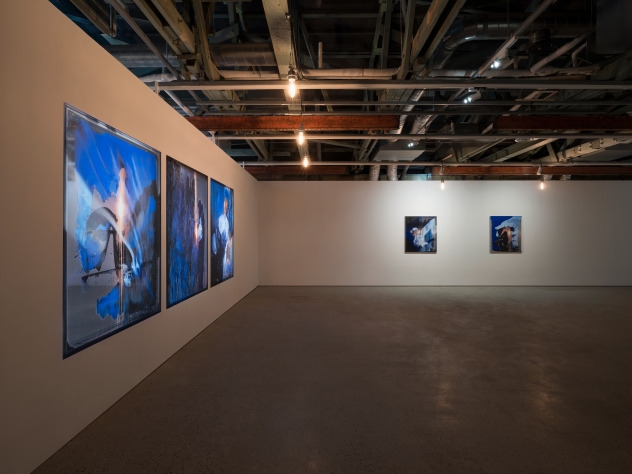
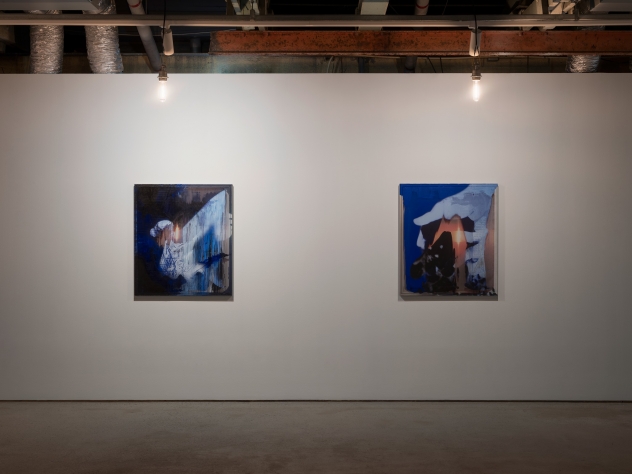
Kukje Gallery is pleased to present a solo exhibition by Korakrit Arunanondchai in its Busan space from August 28 through October 31, 2026. For over a decade, Arunanondchai’s practice has moved between painting, sculpture, moving image, and performance, exploring how artworks carry memory across bodies, technologies, and time. Weaving stories from the personal and the collective, his work approaches the image not as a fixed representation, but as a site where intimacy, loss, and transformation continue to circulate. For Arunanondchai, making work becomes a process of spiritual transformation—a way of revealing hidden intensities within the ordinary materials and experiences of life.
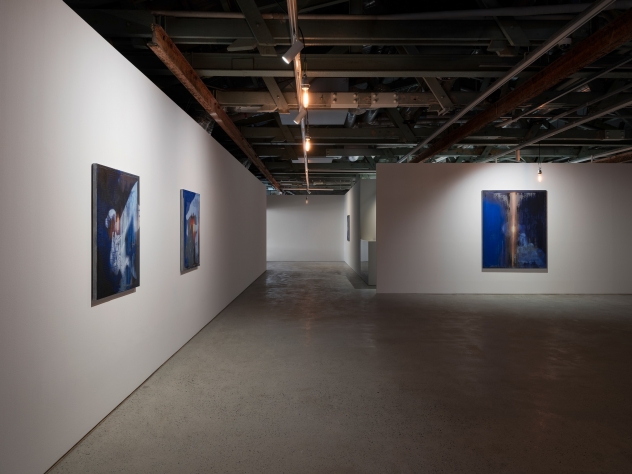
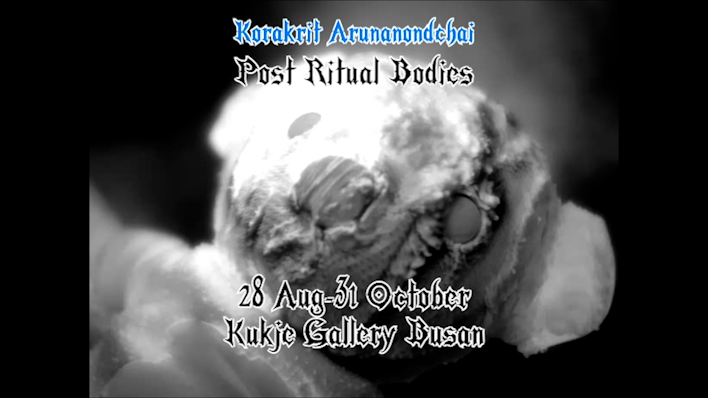
In Post Ritual Bodies, the artist imagines a cycle of energy transfers between his family members and their most cherished stuffed animals. These soft bodies include the rabbit toys that accompanied his grandparents in hospital beds towards the end of their lives; “Michael” and “Ted,” the artist’s and his twin’s first teddy bears from when they were toddlers; and his niece’s comfort stuffed animal. Inspired by the idea of viriditas, often associated with the medieval mystic Hildegard von Bingen (c.1098–1179), these objects echo how an anima or “greening force,” as described by von Bingen, moves and circulates through all living things: from the sun into leaves, sap, flesh, and spirit. Arunanondchai imagines this cycle as an immaterial passing of energy from the universe to living things, through non-living things, creating aura, attachment, and meaning.
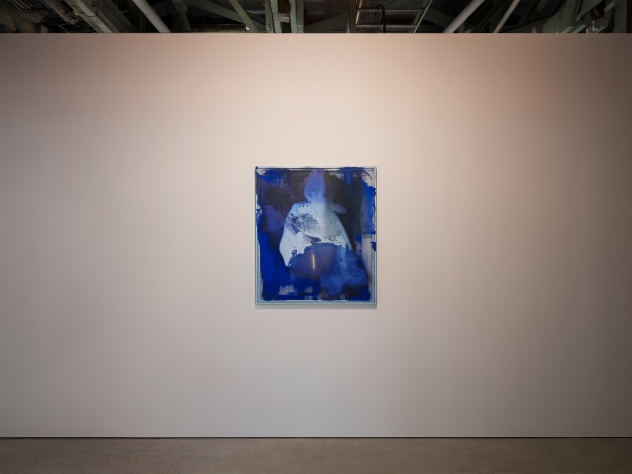
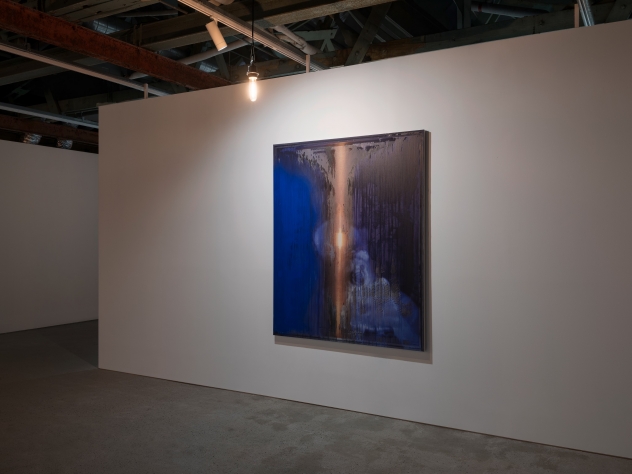
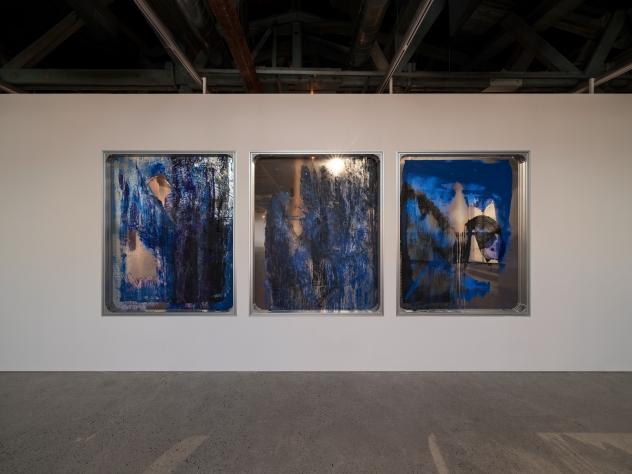
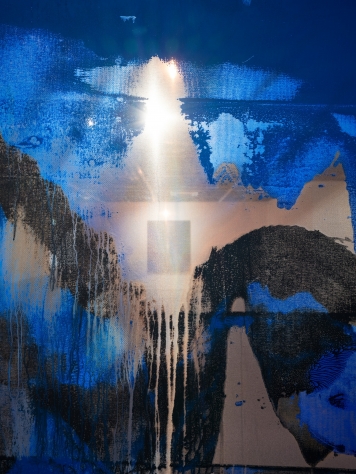
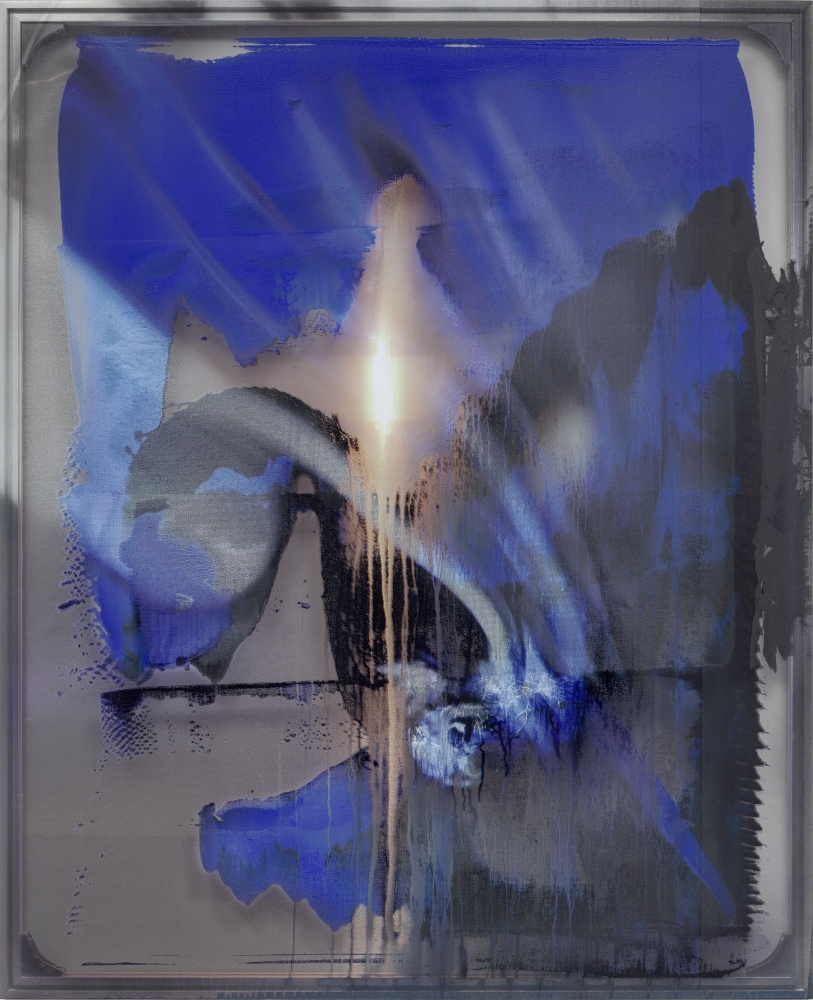
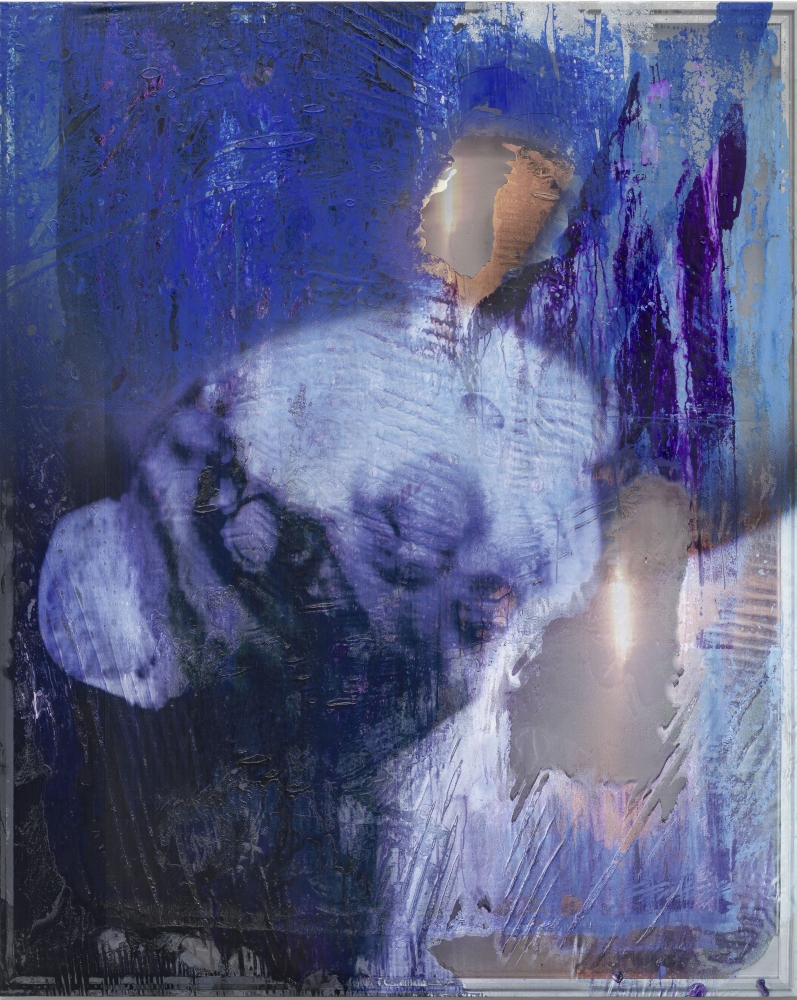
Using a thermal camera, Arunanondchai asked different members of his family to embrace the stuffed animals. He then filmed video portraits of the stuffed animals as they are briefly illuminated with body heat that is not their own. These filmic portraits were then projected onto transparent screens, where Arunanondchai created a “paint-body” on the surface, with pigments and paint polymers. Originally designed for holographic projections, the screen resembles a kind of skin that receives the projected images. Hovering in this liminal space, the disembodied bodies appear less as subjects than as apparitions, ghosts, and traces of something that lingers between the visible and the non-visible.
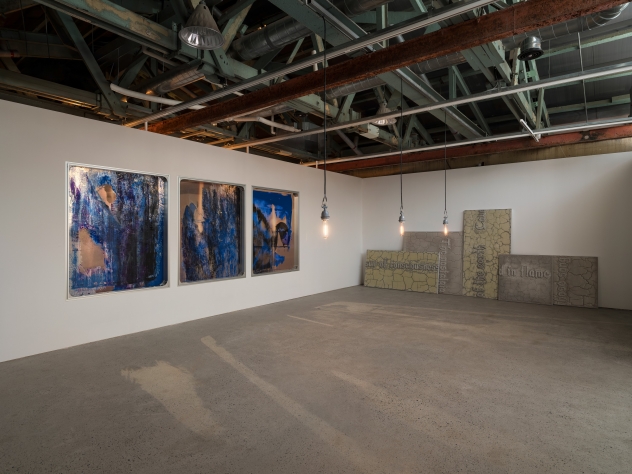
Set outdoors around the artist’s home late at night, these temporary outdoor screening sites transform film from a medium of representation into a ritual for transmission. In addition, documentation photographs of these installations have been UV-printed back onto the projection screens themselves, collapsing past and present into a single surface. What remains is a transitional body—activated by light and time—a fragmented memory of movement, space, and presence compressed back into material form. Film is reconstituted as space, painting as flesh, and the exhibition itself becomes an animistic body.
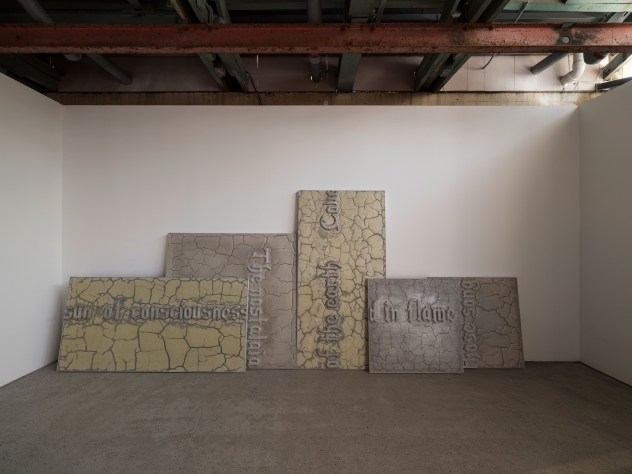
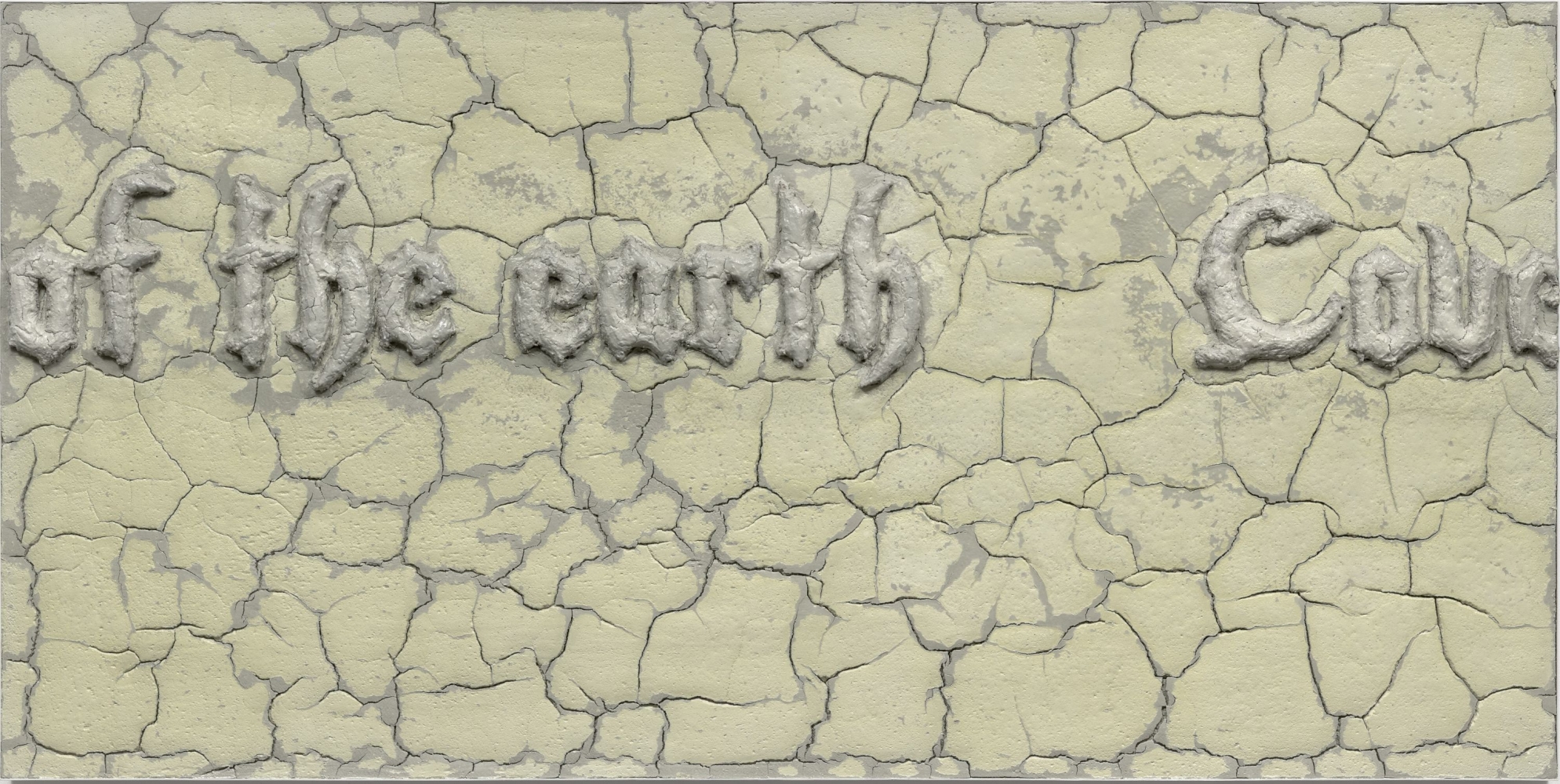
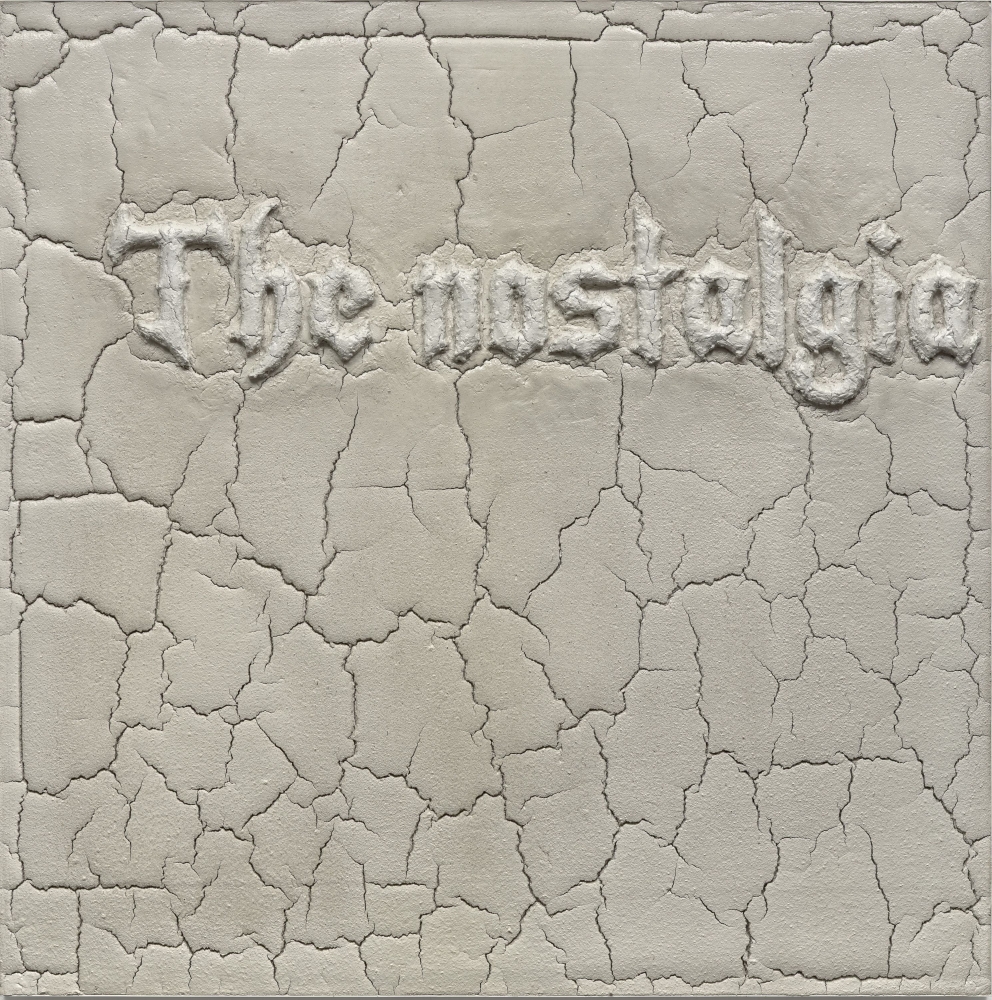
Elsewhere in the exhibition, fragments of a stage inscribed with prayer texts written by the artist are sculpted from ash gathered from agricultural crops burned at the end of the growing season in Thailand. These charred agricultural remnants, part of the process of clearing and renewal, are now associated with the increasingly toxic air that has affected the country in recent years. The ash here carries a double memory: it holds the residue of fire as both a life-giving force and a process that transforms the conditions of life itself.
About the Artist
Korakrit Arunanondchai (b. 1986) was born in Bangkok, Thailand, and now lives and works in Bangkok and New York. Arunanondchai received his BFA from the Rhode Island School of Design in 2009 and his MFA from Columbia University in 2012. He has exhibited widely across the globe, including solo exhibitions at Le Consortium, Dijon (2025); Museum MACAN, Jakarta (2024); Bangkok Kunsthalle, Bangkok (2024); Moderna Museet, Stockholm (2022); Art Sonje Center, Seoul (2022); Singapore Art Museum (2022); Kunsthall Trondheim (2021); Serralves Museum, Porto (2020); Spazio Maiocchi, Milan (2019); Museum of Contemporary Art Kiasma, Helsinki (2017); Museion, Bolzano (2016); Palais de Tokyo, Paris (2015); and the Museum of Modern Art PS1, New York (2014). He has also participated in various biennales including the 14th Taipei Biennial (2025); 3rd Thailand Biennale (2023); 13th Gwangju Biennale (2021); 16th Istanbul Biennial (2019); 79th Whitney Biennale (2019); 58th International Art Exhibition – La Biennale di Venezia (2019); and 20th Biennale of Sydney (2016). His works are held in the collections of by the Whitney Museum of American Art, New York; Centre Pompidou, Paris; Fondation Louis Vuitton, Paris; Tate Modern, London; Astrup Fearnley Museum, Oslo; Zabludowicz Collection, London; and Sifang Art Museum, Nanjing.